在 AI 與開放學術快速發展的環境下,出版社、圖書館與聯盟的角色也正在重新定位:
我們不再只是提供或取得內容,而是共同參與知識流通、資訊發現、可信任應用與學術價值創造。
因此,今年將從更宏觀的角度,共同思考:
AI 與 Open Access 將如何改變未來的學術資訊生態系?
出版社、圖書館與聯盟又將如何重新定義自己的角色與價值?
In an era of rapid advancements in AI and open scholarship, the roles of publishers, libraries, and consortia are undergoing a profound realignment. We no longer serve merely as content providers or access points; rather, we actively collaborate to facilitate knowledge circulation, information discovery, trustworthy applications, and the creation of scholarly value.
Against this backdrop, this year’s conference takes a broader perspective to collectively examine:
‧ How will AI and Open Access reshape the future of the scholarly information ecosystem?
‧ How will publishers, libraries, and consortia redefine their roles and value proposition in this evolving landscape?
2026.11.12Thu.-13Fri.國立政治大學公企中心A2國際會議廳International Conference Hall A2 of Center for Public and Business Administration Education, National ChengChi University線上報名日期 / Online Registration2026/10/06 至 2026/11/03October 6- November 3, 2026
Day 1.11/12
Day 2.11/13
主辦單位保留活動議程與講師調整之權利。The organizer reserves the right to adjust the event agenda and lecturers.
主辦單位保留活動議程與講師調整之權利。The organizer reserves the right to adjust the event agenda and lecturers.
國立政治大學公企中心A2國際會議廳臺北市大安區金華街187號International Conference Hall A2 of Center for Public and Business Administration Education, National ChengChi University No. 187, Jinhua St., Da’an Dist., Taipei City 106304 , Taiwan (R.O.C.)
廖肇寧Dr. Chao-Ning LIAO國家實驗研究院科技政策研究與資訊中心主任 Director General, Science & Technology Policy Research and Information Center (STPI)
Jean KuElsevier研究人員暨圖書館行銷副總裁 Vice President, Researcher & Librarian Marketing Group of Elsevier
Jean Ku 負責愛思唯爾(Elsevier)全球圖書館與研究人員相關計畫,並與愛思唯爾內部各團隊合作,深入了解並回應相關社群的需求。在出任現職之前,Jean 曾服務於多家教育科技公司,包括 Interfolio、PowerSchool、Rosetta Stone 及 Blackboard。在這些職務中,她曾與各類教育機構合作,專注於教育科技導入、數位學習、學生成功、大學與職涯準備,以及教師事務等議題。此外,Jean 也曾為全球大型企業提供策略顧問服務,協助企業拓展新市場及開發新產品。工作之餘,Jean 喜歡與家人及愛犬Goldendoodle 共度時光,也熱衷於參與當地公益活動,支持英語學習以及女性創業者創立新事業。Jean 擁有 美國馬里蘭大學 College Park 分校 MBA 學位。
Jean Ku oversees Elsevier’s global programs for libraries and researchers, collaborating with teams across Elsevier to understand and address the communities’ needs. Prior to her current role, Jean worked at education technology companies such as Interfolio, PowerSchool, Rosetta Stone, and Blackboard. Jean worked with educational institutions on a range of issues including edtech adoption, digital learning, student success, college and career readiness, and faculty affairs. She has also advised large global companies on their strategies to expand into new markets and develop new products. In her spare time, Jean enjoys spending time with her family and goldendoodle as well as volunteering with local organizations that support English language learning and women entrepreneurs launching new businesses. Jean received her MBA from the University of Maryland, College Park.
李沛錞Pei-Chun LEE國立政治大學圖書資訊與檔案學研究所專任教授兼圖書資訊學數位碩士在職專班執行長 Professor of Graduate Institute of Library, Information and Archival Studies, CEO of E-learning Master Program of Library and Information Studies, National Chengchi University
Eytan GOLDFINGER科睿唯安大學與政府事業部產品總監 Director, Product Management, Academia & Government of Clarivate
Eytan Goldfinger現任職科睿唯安 Web of Science 產品總監,負責該產品線的新內容策略開發和平臺整體佈局。他擁有劍橋大學的MBA學位,致力於提高資料科學性和推動創新。憑藉十多年的產品管理領導經驗,他帶領團隊持續提供高價值、創新的解決方案,在全球學術圈產生了重要影響。
Goldfinger is a Product Director at Web of Science, where he leads the strategy for new content and the overall evolution of the platform. With over ten years of leadership experience in product management, he has had a global impact, guiding teams in delivering high-value, innovative solutions. He holds an MBA from the University of Cambridge and is dedicated to enhancing scientific data and driving innovation to support the global research community.
林宜敬Yi-Jing LIN中華民國數位發展部 Ministry of Digital Affairs
數位發展部林宜敬部長,畢業於臺灣大學資訊工程系、布朗大學電腦科學博士。
現職為數位發展部部長、台杉投資管理顧問股份有限公司董事、財團法人工業技術研究院董事,在軟體產業擁有超過 30 年的經驗,曾任職於美國 IBM 華生研究中心博士後研究員、華通電腦資訊工程部副理、趨勢科技新產品研發部協理、艾爾科技創辦人兼執行長及印刻文學生活誌專欄作家。
Ixchel M. FANIELOCLC資深研究科學家 Senior Research Scientist, OCLC
Ixchel M. Faniel 是 OCLC 的資深研究科學家,致力於改善人們探索、取用、評估、使用及再利用線上內容的方式。她目前的研究興趣,聚焦於圖書館及其所服務社群,在開放取用出版物、開放資料,以及開放網路上各類內容脈絡下的觀點、需求與經驗。她的研究曾獲美國國家科學基金會(National Science Foundation, NSF)、博物館與圖書館服務機構(Institute of Museum and Library Services, IMLS),以及國家人文基金會(National Endowment for the Humanities, NEH)的資助。加入 OCLC 之前,她曾任職於密西根大學資訊學院(University of Michigan, School of Information)、IBM,以及安達信顧問公司(Andersen Consulting,現為埃森哲 Accenture)。她畢業於塔夫茨大學(Tufts University),取得電腦科學學士學位,並於南加州大學馬歇爾商學院(University of Southern California, Marshall School of Business)取得工商管理碩士(MBA)及工商管理博士(PhD)學位。(https://orcid.org/0000-0001-7302-5936)
Ixchel M. Faniel is a Senior Research Scientist at OCLC who aims to improve how people discover, access, evaluate, use, and reuse online content. Current interests include examining the perspectives, needs, and experiences of libraries and the communities they support in the context of open access publications, open data, and the broad array of content on the open web. Her research has been funded by the National Science Foundation (NSF), Institute of Museum and Library Services (IMLS), and National Endowment for the Humanities (NEH). Prior to joining OCLC Ixchel worked at the University of Michigan, School of Information, IBM, and Andersen Consulting (now Accenture). She graduated from Tufts University with a BS in Computer Science and earned an MBA and PhD in Business Administration at the University of Southern California, Marshall School of Business. (https://orcid.org/0000-0001-7302-5936)
Mike MacKinnonEBSCO Information Services 軟體即服務總監 Software as a Service – ANZ, Greater China, Japan, EBSCO Information Services / Director
Mike MacKinnon 現任 EBSCO Information Services 軟體即服務(Software as a Service)總監,負責支援大洋洲、大中華地區與日本的學術及研究型圖書館。他與圖書館及聯盟合作的領域包括探索服務、FOLIO、OpenAthens、生成式 AI 與 Linked Data,並經常分享圖書館如何以兼顧信任、授權與權威資訊來源的方式導入 AI。
Mike MacKinnon is Director, Software as a Service at EBSCO Information Services, supporting academic and research libraries across Oceania, Greater China, and Japan. He works with libraries and consortia on discovery, FOLIO, OpenAthens, generative AI, and Linked Data, and speaks regularly on how libraries can adopt AI in ways that keep trust, licensing, and authoritative sources at the center.
Angela TrilliIEEE 機構資訊產品總監 Director of Institutional Information Products at IEEE
Angela Trilli 目前領導 IEEE 產品管理團隊,致力於開發、推出並維護各類核心資訊產品,透過 IEEE Xplore 數位圖書館、IEEE DiscoveryPoint 等指標性平台,為全球學術界、企業及政府機構提供頂尖的文獻服務。面對 AI 浪潮,她正引領 IEEE 多項前瞻性的 AI 計畫,並擔任 STM(國際科學技術醫療出版商協會)「大型語言模型(LLM)負責任使用研究內容框架」專案小組委員,在推動全球學術界負責任使用 AI 方面扮演關鍵角色。Angela 於 2007 年加入 IEEE,在接任現職前曾於產品行銷團隊歷練多個重要職責。
Trilli is the Director of Institutional Information Products at IEEE. She leads the product management team which develops, launches, and maintains information products delivered to academic, corporate, and government institutions around the world through the IEEE Xplore Digital Library, IEEE DiscoveryPoint, and other platforms. She is currently leading many efforts around AI at IEEE and is serving on the STM Association Task-and-Finish Group “Framework for responsible use of research content in LLMs”. Angela started at IEEE in 2007, holding various roles within the Product Marketing team prior to her current position.
林孟玲Meng-ling LIN (Beatrice)國家實驗研究院科技政策研究與資訊中心CONCERT&NDDS計畫主持人 CONCERT & NDDS Project Manager, Science & Technology Policy Research and Information Center(STPI)
林雯瑤Dr. Wen-Yau Cathy LIN淡江大學資訊與圖書館學系專任教授兼覺生紀念圖書館館長 Professor of Department of Information and Library Science & Dean of Chueh-Sheng Memorial Library, Tamkang University
葉素玲 博士Su-Ling Yeh, Ph.D.國立臺灣大學理學院院長暨心理系終身特聘教授 Dean, College of Science, National Taiwan University; Distinguished Professor, Department of Psychology, National Taiwan University
葉院長主要研究領域為知覺、注意力、意識及多感官整合,近年研究亦涵蓋正念、幸福感與人機互動,持續探討 AI 時代的人類獨特性。葉院長獲選為臺大勇源拔萃講座,並曾獲臺大人文講座、傅斯年紀念講座、教育部學術獎、國科會傑出特約研究員獎及傑出研究獎等多項學術榮譽。
Dr. Su-Ling Yeh is Dean of the College of Science and a Lifetime Distinguished Professor in the Department of Psychology at National Taiwan University (NTU). She is also a Jointly Appointed Professor at the Graduate Institute of Brain and Mind Sciences, College of Medicine, NTU. Dr. Yeh received her B.S. and M.S. degrees in psychology from NTU and her Ph.D. in psychology from the University of California, Berkeley.
Dr. Yeh’s research focuses on perception, attention, consciousness, and multisensory integration. Her recent research also encompasses mindfulness, well-being, and human–robot interaction, while she continues to explore what makes humans unique in the age of AI. She currently holds the NTU Eminence Chair Professorship of Chen-Yung and has received numerous academic honors, including the NTU Chair Professorship of Humanities, the Fu Ssu-Nien Memorial Chair Professorship, the Academic Award of the Ministry of Education, the Appointed Outstanding Research Award of the National Science and Technology Council, and two Distinguished Research Awards from the National Science Council.
John MorrisWiley亞太區開放研究經理 Open Research Manager, APAC of Wiley
John Morris現任 Wiley 亞太區開放研究經理,常駐東京。約翰於2018年加入 Wiley,起初負責涵蓋日本、韓國與台灣的跨學科期刊組合,之後轉往負責該地區的開放取用策略。
目前,約翰與亞太地區的政府機關、資助單位及研究機構密切合作,深入了解其不斷演變的開放取用需求,協助擘劃 Wiley 在該地區的開放取用發展方向。他同時協助研究人員與機構相關利益方,因應資助單位要求與政府規範的變化,以及 AI 為學術出版帶來的快速衝擊。
約翰經常就開放取用策略、研究誠信,以及亞太地區學術傳播動態的變化等主題發表演說。
John Morris is Open Research Manager, APAC at Wiley, based in Tokyo. John joined Wiley in 2018, managing a multidisciplinary journal portfolio spanning Japan, Korea and Taiwan, before moving into open access strategy for the region.
Today, John works with governments, funders and research institutions across Asia-Pacific to understand their evolving open access needs, helping shape Wiley's regional open access direction. He also supports researchers and institutional stakeholders as they navigate shifting funder requirements, government mandates and the rapid disruption AI is bringing to scholarly publishing. John speaks regularly on open access strategy, research integrity and the changing dynamics of scholarly communication across APAC.
黃思凱Billy HuangElsevier 研究領域客戶經理 Research Account Manager, Elsevier
Billy Huang 現任 Elsevier 研究領域客戶經理,長期協助大專校院、研究機構與醫療單位運用學術研究及 AI 解決方案。其業務涵蓋 ScienceDirect、研究情報與分析工具,以及 LeapSpace,並專注於結合可信的學術內容與人工智慧,支援研究探索、文獻分析、來源驗證及學術寫作。本次將以研究工作流程為主軸,分享 LeapSpace 如何協助研究人員從文獻探索與分析,逐步走向有可靠學術依據的研究寫作。
Billy Huang is a Research Account Manager at Elsevier, supporting universities, research institutions, and healthcare organizations in making effective use of scholarly research and AI solutions. His portfolio includes ScienceDirect, research intelligence and analytics tools, and LeapSpace. His work focuses on combining trusted scholarly content with artificial intelligence to support research discovery, literature analysis, source verification, and academic writing. In this session, he will share how LeapSpace fits into the research workflow—from exploring and analyzing the literature to developing well-grounded academic writing.
Andrea JacobsCAS人工智慧資深總監 Senior Director of Artificial Intelligence, CAS
Andrea Jacobs 領導 CAS 的人工智慧團隊打造了 CAS Newton——這款代理式 人工智慧平台正在重新定義科學家探索、尋找及應用全球科學知識的方式。身為人工智慧總監,她帶領著由資料科學家、工程師和領域專家組成的團隊,其專業涵蓋化學、材料科學、生命科學與物理學,致力於將深厚的科學專業知識轉化為人工智慧 系統,以加速產業界與學術界的研發進程。她的視野格外寬廣:在 CAS 任職超過 十六年的時間裡,她的工作範疇橫跨資料基礎架構、內容授權、產品策略以及企業合作夥伴關係,使她對科學研究本身及其商業運作皆具備扎實而深入的見解。她擁有Wellesley College的化學與電腦科學理學士學位,以及The Ohio State University的工商管理碩士MBA學位。
Andrea Jacobs leads the AI team at CAS that built CAS Newton — the agentic AI platform redefining how scientists discover, navigate, and apply the world's scientific knowledge. As Director of Artificial Intelligence, she oversees a team of data scientists, engineers, and domain experts whose expertise spans chemistry, materials science, life sciences, and physics, translating deep scientific expertise into AI systems that accelerate R&D across industry and academia. Her perspective is uniquely broad: over 16 years at CAS she has worked across data infrastructure, content licensing, product strategy, and enterprise partnerships, giving her a grounded view of both the science and the business of research. She holds a B.S. in Chemistry and Computer Science from Wellesley College and an MBA from The Ohio State University.
周頡Jeremy ChouEBSCO台灣/香港/澳門業務總監 Director of Sales (Taiwan, Hong Kong and Macau), EBSCO
講者擁有近 20 年圖書館與資訊服務領域實務經驗,歷經資訊素養、資料素養到 AI 素養的發展浪潮,持續站在圖書館數位轉型與創新應用的第一線。近年專注於生成式 AI、商業智慧(BI)與數據驅動決策等議題,從實務角度探索 AI 如何重新定義資訊獲取、知識服務、工作流程與決策模式。透過豐富的產業觀察與實務案例,分享圖書館如何在 AI 時代重新定位角色,從資訊管理者進一步成為知識創新與智慧決策的重要推動者。
With nearly 20 years of experience in library and information services, the speaker has navigated the evolution from Information Literacy and Data Literacy to the emerging era of AI Literacy. Remaining at the forefront of library digital transformation, he focuses on Generative AI, Business Intelligence (BI), and Data-Driven Decision Making. Drawing on extensive hands-on experience and industry insights, he explores how AI is reshaping information discovery, knowledge services, workflows, and decision-making. Through practical examples and real-world applications, he shares how libraries can redefine their role in the AI era and become catalysts for knowledge innovation and intelligent decision-making.
Elinor Hawkes is a Product Portfolio Manager in the Oxford Languages division of Oxford University Press, where she leads the strategic roadmap for the Oxford English Dictionary (OED) and other leading academic dictionary platforms. Elinor is currently exploring how authoritative lexical data can be applied in AI-driven products and services to better support digital humanities research, and enjoys bringing together data analysts, technologists, and digital scholars to create new opportunities for research and innovation. With over ten years' experience in scholarly publishing, and a previous career as an archivist, Elinor brings a distinctive perspective on the preservation, interpretation, and future use of cultural and linguistic data.
縮小 AI 技能落差:將圖書館定位為學術生態系中的策略夥伴Closing the AI Skills Gap: Positioning Libraries as Strategic Partners in the Academic Ecosystem
As AI reshapes the research lifecycle, libraries are uniquely positioned to bridge institutional needs with researcher realities. Drawing on Elsevier's Librarian of the Future and Researcher of the Future reports, this session brings together global perspectives from
librarians and researchers to reveal where the two groups agree, and where gaps remain, on AI readiness, skills, and support. With 58% of researchers using AI tools but only 27% feeling adequately trained, libraries have an opening to lead. Through recent examples, we'll
explore how librarians can build AI literacy programs and position the library as an essential strategic partner in institutional research strategy.
發現科學研究突破:透明 AI 如何全方位加速學術創新與決策Catalyzing the Next Breakthrough: Accelerating Scholarly Workflows and Insights through Responsible AI
本演講將探討科睿唯安Web of Science如何在全科研工作流程中落地負責任的人工智慧:涵蓋AI輔助文獻探索、文獻綜述、全文研讀以及科研評估等環節。本次分享將聚焦於最新AI創新能力,包括智慧搜尋AI概覽、Web of Science Research Assistant 的全新能力,以及即將推出的Web of Science DeepR體驗-此功能可將全文內容、AI輔助文檔分析與相關性摘要直接整合至Web of Science平台。與會者也將搶先了解新一代AI智能體相關項目,以及如何將可信賴的Web of Science數據與科研工作流程,和科研人員日益廣泛使用的AI工具實現對接。以上各項進展,反映了科睿唯安的發展願景:整合可信賴資料、專家標引與負責任人工智慧,協助科研人員更有效率地進行研究工作。
Explore how Web of Science is applying responsible AI across the research workflow, from AI-enhanced discovery and literature review to full-text exploration and research assessment. This session will highlight recent innovations including Smart Search AI overviews, new capabilities in Web of Science Research Assistant, and the upcoming Web of Science DeepR experience that brings full-text content, AI-assisted document analysis, and relevance summaries directly into Web of Science. Attendees will also get a preview of emerging agentic AI initiatives and new ways to connect trusted Web of Science data and research workflows with the AI tools researchers are increasingly adopting. Together, these developments reflect Clarivate's vision for combining trusted data, expert curation, and responsible AI to help researchers accomplish more with confidence.
Open science policies and funding agency requirements have accelerated the transition to scholarly, peer-reviewed open access (OA) publications in many countries.
However, these freely available publications are not necessarily easily discovered, which could limit their use. Academic libraries have been instrumental in attempting to improve the discoverability of OA publications, but there has been limited analysis of their efforts.
Join us to hear how seven Dutch academic libraries are integrating OA publications into user workflows and what their users’ experiences are discovering scholarly peer-reviewed publications and OA. This presentation provides libraries insights and strategies about
Selecting and adding OA publications to library collections
Increasing OA awareness, knowledge, and engagement
Improving metadata to support OA discovery
Measuring the effects of library efforts
Learn about library staff efforts that successfully supported user needs and opportunities further work.
從探索到可信賴的AI探索:讓生成式AI建立在圖書館品質的知識基礎上From Discovery to Trusted AI Discovery: Grounding Generative AI in Library-Quality Knowledge
研究人員越來越常從 AI 工具開始研究,並期待透過對話方式取得摘要式答案;然而,圖書館及其使用者也理所當然地關心:這些答案是否值得信賴?授權內容是否受到尊重?每一項論述是否都能追溯至具權威性的來源?
本場演講將探討學術圖書館如何延續開放取用(Open Access)與開源(Open Source)所帶來的發展動能,並將這種開放精神帶入 AI 時代。在這個階段,下一個挑戰是如何讓開放內容與授權內容,都能進一步轉化為使用者真正可以信賴、並能安心再利用的知識。演講將以 EBSCO 已實際導入的生成式 AI 應用為例,包括語意搜尋(semantic search)、隨選 AI Insights,以及搜尋建議(search recommendations);同時也會介紹 Linked Data 相關應用,包括 EBSCO Scholarly Graph、引用與撤稿指標,以及作者/人物頁面。
Mike 將進一步探討,一個具治理機制的知識圖譜,如何讓 AI 從單純「檢索」資訊,進一步發展為能夠「推理」的 AI;同時確保其運作建立於可信來源之上、理解授權與權利限制,並且能夠提供可引用的資訊。演講最後將從實務角度說明學術資訊生態系正朝哪個方向發展,以及圖書館與出版社在共同建構這個未來時所扮演的角色。
Researchers increasingly start in AI tools and expect conversational, summarized answers — but libraries and their users are rightly asking whether those answers can be trusted, whether licensed content is respected, and whether every claim traces back to an authoritative source.
This session looks at how academic libraries can build on the momentum of Open Access and Open Source — carrying that openness forward into the AI era, where the next challenge is turning open and licensed content alike into knowledge users can actually trust and reuse with confidence.
Drawing on EBSCO's delivered work in generative AI (semantic search, on-demand AI Insights, and search recommendations) and Linked Data (the EBSCO Scholarly Graph, citation and retraction indicators, and author/people pages), I'll discuss how a governed knowledge graph turns AI that merely retrieves into AI that reasons — grounded, rights-aware, and citable. I'll close with a practical look at where the scholarly information ecosystem is heading and the role libraries, and publishers, work in building it together.
超越點擊:圖書館、可信賴內容與 AI 驅動的學術研究新歷程Beyond the Click: Libraries, Trusted Content and the AI-Mediated Research Journey
生成式 AI 與自動化工具的崛起,正徹底顛覆學術研究的起點,並重塑學者與學術內容相遇的方式。儘管權威內容依然是獲得可靠解答的關鍵,但傳統的評估指標(如搜尋次數、點擊量和下載量)已逐漸難以完整捕捉研究者的真實足跡。本演講將深入剖析這場變革對圖書館、出版商及研究社群帶來的深遠影響。並探討當 AI 全面融入學術研究時,為何權威內容、圖書館的專業核心能力以及人類的思辨判斷,將變得比以往更加不可或缺。
重塑研究起點: 拆解生成式 AI 如何改變當代學者的研究習慣與資料搜尋路徑。
翻轉評估指標: 探討在「非點擊」時代,圖書館與出版商該如何重新定義文獻價值。
核心價值重申: 深度分析為什麼 AI 越普及,圖書館的專業能力與權威內容反而越關鍵。
Generative AI and automated tools are changing where research begins and how scholarly content is encountered. Traditional measures such as searches, clicks and downloads may capture less of the research journey, even while authoritative content remains essential to reliable answers.
This presentation examines what that shift means for libraries, publishers and research communities and why authoritative content, library expertise and human judgment will become more important as AI becomes embedded in research.
當星光滿天:在資訊豐饒的時代尋找方向Under a Sky Full of Stars: Finding Direction in an Age of Information Abundance
If we picture information as starlight, the challenge of the past lay in access: much knowledge remained hidden in the dark. Through preservation, digitization, and open access, libraries have brought ever more knowledge into view. As generative artificial intelligence further lowers the barriers to access, information grows more abundant still. Yet human time, attention, and cognitive resources remain finite, and so another question worth pondering arises: when the sky is full of stars, how do we find our bearings among them? This talk begins with the transformation of our information environment and the characteristics of human body and mind. Grounded in our biological and evolutionary foundations, it examines how psychological and cognitive mechanisms such as attention, reward anticipation, and emotion shape the ways we take in, select, and make sense of information. As information and stimulation grow ever richer, we may need not only to keep opening and expanding access, but also to reconsider the meaning of choosing and of pausing. As artificial intelligence enters ever more deeply into the settings of life and work, this talk also explores how people can retain agency over their own judgment and choices within a technological environment, and reflects, through the lenses of consciousness, mind and body, and subjective experience, on what makes us distinctively human. Knowledge does more than help us understand the external world; it also takes part in forming the very frameworks through which we think. From here we return to libraries and knowledge services, considering how they might support human understanding and judgment, and widen the possibilities for people to know the world, and to know themselves.
從開放到可信賴:產業視角下不斷演進的品質、倫理與治理機制——AI時代開放研究的國際作法From Open to Trustworthy: An Industry perspective on evolving Quality, Ethics and Governance mechanisms. The international approach to Open Research in the AI Era
開放研究已迅速改變研究人員取得、分享與發表研究成果的方式。在極短的時間內,圖書館、機構、政府、資助單位與出版商紛紛調整政策、流程與技術以因應這股轉變,而 AI 的出現更進一步加速了這股浪潮,帶來衝擊,並催生出一波新的工具、基礎設施、政策與策略。
開放出版帶來的效益十分顯著,但要實現這些效益,整個社群都必須投入實質資源並調整作法。與此同時,倫理與研究誠信的議題雖非新課題,但在動盪不安的 AI 環境下正受到更嚴格的檢視,如今已成為建立信任工作的核心。
Open Research has rapidly reshaped how researchers source, share and publish their work. In a remarkably short time, libraries, institutions, governments, funders and publishers have adapted policy, process and technology to support this shift, and AI has since accelerated that pace further, driving disruption and a wave of new tools, infrastructure, policies and strategies.
The benefits of open publishing are significant, but realising them has required real investment and a change in approach across the community. At the same time, questions of ethics and research integrity, never new, but now under sharper scrutiny in an unsettled AI landscape, are now central to the work of building trust.
This presentation examines past and present practice, publishers' strategic and governance responses, and how these questions are playing out across APAC and further overseas.
從學術探索到研究寫作的 AI 新體驗LeapSpace™: Transforming Academic Exploration and Research Writing with AI
生成式 AI 正快速進入學習、研究與學術寫作流程。研究人員除了需要更有效率地搜尋與理解文獻,也需要確認 AI 所提供的資訊是否有充分證據支持,並將研究洞察轉化為嚴謹、清晰且具學術品質的論述。
本演講將介紹 Elsevier LeapSpace™ 如何支援研究人員從「提出問題」開始,逐步完成學術探索、文獻理解、證據查證、研究比較、深入分析與研究寫作,建立更完整且可信任的 AI 研究工作流程。
演講將涵蓋:
AI 如何融入研究工作流程:從主題探索、文獻搜尋到研究寫作。
Deep Research 與 Reading Assistant:協助理解複雜研究問題與文獻脈絡。
Writing Coach:協助改善論述邏輯、文章結構與學術表達。 建立可信任的 AI 研究體驗:在提升效率的同時,保留研究者的判斷與學術責任。
Generative AI is rapidly becoming part of the learning, research, and academic writing process. Researchers not only need more efficient ways to search for and understand the literature, but also need to verify whether AI-generated information is supported by sufficient evidence and translate research insights into rigorous, clear, and academically sound arguments.
This presentation will introduce how Elsevier LeapSpace™ supports researchers throughout the research journey—from asking the initial question to academic exploration, literature understanding, evidence verification, research comparison, in-depth analysis, and academic writing—helping build a more comprehensive and trustworthy AI-powered research workflow.
The presentation will cover:
How AI can be integrated into the research workflow: From topic exploration and literature search to research writing.
Deep Research and Reading Assistant: Helping researchers understand complex research questions and the broader context of the literature.
Trust Card, Claim Radar, and Compare Table: Tracing sources, verifying evidence, and comparing research findings.
Building a trustworthy AI research experience: Improving efficiency while preserving researchers’ judgment and academic responsibility.
人工智慧時代中資料的信任:為何經策劃的科學資料和管理該資料的資料庫在人工智慧時代格外重要The Trust Layer: Why Curated Scientific Data — and the Libraries That Steward It — Matter More in the Age of AI
人工智慧讓科學資訊看似豐富且唾手可得,然而,資訊流動越自由,便越難辨別真偽,科學研究機構越需要有人能確保其研究人員奠基於可靠且具來源明確的知識,而非看似自信的憑空捏造。在科學領域中,利害關係異常重大:一個看似合理但錯誤的資料點,絕不僅僅是引用不當,而是意味著綜合失敗、經費浪費或安全風險。本次議程指出,人工智慧不僅沒有削弱資料庫的作用,反而提升其重要性 — 隨著人工智慧介入更多的研究環節,資料庫將成為所屬機構的信任層和把關者,確保全體師生均採用經嚴謹策劃且來源可溯的資料開展研究。藉由一世紀以來由科學家策劃的物質和反應資料,以及作為此基礎所建構的人工智慧的 CAS Newton℠,與會者將掌握清晰且實用的方法,在資訊看似無所不在的時代中,闡明經策劃的科學資料庫的價值。
Artificial intelligence has made scientific information feel abundant and free — yet the more freely it flows, the harder it becomes to know what is actually true, and the more an institution needs someone who can guarantee its researchers build on reliable, provenanced knowledge rather than confident invention. In science the stakes are unusually high: a plausible-but-wrong data point is not a bad citation but a failed synthesis, a wasted grant, or a safety risk. This session argues that AI does not diminish the library's role but elevates it — as AI mediates more of research, the library becomes its institution's trust layer, the steward ensuring faculty and students work from data curated with rigor and traceable to its source. Drawing on more than a century of scientist-curated substance and reaction data, and on CAS Newton℠ as a demonstration of AI built on that foundation, attendees will leave with a clear, practical way to articulate the value of curated scientific databases when information appears to be everywhere.
當 AI 成為研究介⾯:從 EBSCO Linked Data 到 MCP 的可信任學術探索之路When AI Becomes the Research Interface: Building Trustworthy Scholarly Discovery with EBSCO Linked Data and MCP
研究介面的典範轉移: AI 正成為 First Layer of Discovery
AI 時代的挑戰:答案比來源更重要嗎?
Trustworthy AI:下一代學術探索的核心需求
EBSCO 十多年來建構的基礎工程: 從 Metadata 到 Linked Data
傳統 RAG 的限制與知識圖譜的價值
MCP:圖書館館藏進入 AI 生態系的重要橋樑
EBSCO AI Exchange 與 AI Agent 的整合實踐
EBSCO 的特殊角色:連結出版社、圖書館、AI 與讀者
從 AI 平權到 AI 賦真與 AI 識權
未來展望:建構可信任的學術 AI 生態系
The Research Interface Shift: AI as the New First Layer of Discovery
The Challenge of the AI Era: Are Answers Becoming More Important Than Sources?
Trustworthy AI: A Critical Requirement for Next-Generation Scholarly Discovery
Building the Foundation: EBSCO's Journey from Metadata to Linked Data
Beyond Traditional RAG: The Value of Knowledge Graphs in Academic Research
MCP as the Bridge: Connecting Library Collections to the AI Ecosystem
EBSCO AI Exchange: Integrating Scholarly Content with AI Agents
EBSCO's Unique Role: Bridging Publishers, Libraries, AI Agents, and Researchers
From AI Access to Trusted and Rights-Aware AI
Looking Ahead: Building a Trustworthy Scholarly AI Ecosystem
探索英語史研究的新路徑:為 OED.com 增添AI驅動功能New pathways into the history of English: adding AI-powered capabilities to OED.com
然而,OED的規模與複雜度可能給使用者帶來挑戰,對較不熟悉傳統進階搜尋技巧及平台操作方式的學生與研究人員來說尤其如此。我們的報告將示範OED全新的 AI 搜尋助手與 AI 引文發現器如何讓複雜的研究過程更易於上手。與會者將見證這些工具如何協助使用者建構複雜的搜尋條件、發掘相關的歷史證據,並探索語言的變遷,同時維持OED一貫的權威性、透明度與可信度。我們亦將探討牛津大學出版社在開發負責任的AI工具時所考量的要點,以及未來以新方式提供OED數據所蘊含的研究潛力。
The Oxford English Dictionary (OED) captures the history of English as it is used throughout the world and supports research across disciplines such as linguistics, literature, cultural studies and digital humanities. Through its definitions, etymologies, semantic categories and extensive quotation evidence, the OED provides a unique dataset for exploring the development of the English language through time.
However, the scale and complexity of the OED can present challenges, particularly for students and researchers who are less familiar with traditional advanced search techniques and platform navigation. This session will illustrate how the OED’s new AI search assistant and AI quotations finder can make sophisticated research journeys more accessible. Attendees will see how these tools help users construct complex searches, discover relevant historical evidence, and explore language change while maintaining the authority, transparency, and trustworthiness expected of the OED. We’ll also cover OUP’s considerations for developing responsible AI tools and the research potential of making OED data available in new ways in the future.











 廖肇寧 / Dr. Chao-Ning LIAO國家實驗研究院科技政策研究與資訊中心主任Director General, Science & Technology Policy Research and Information Center (STPI)
 主講人 SpeakerJean KuElsevier研究人員暨圖書館行銷副總裁Vice President, Researcher & Librarian Marketing Group of Elsevier
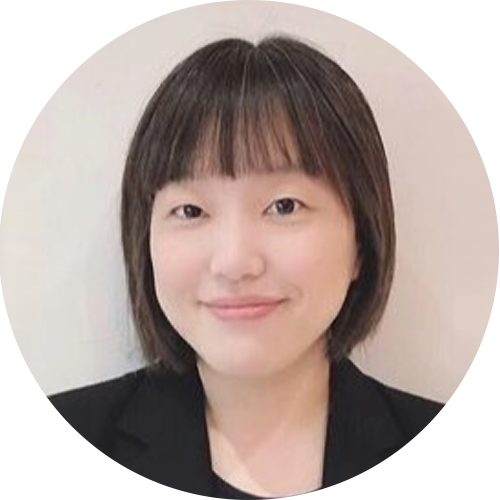 引言人 Moderator李沛錞 / Pei-Chun LEE國立政治大學圖書資訊與檔案學研究所專任教授兼圖書資訊學數位碩士在職專班執行長Professor of Graduate Institute of Library, Information and Archival Studies, CEO of E-learning Master Program of Library and Information Studies, National Chengchi University
 主講人 SpeakerEytan GOLDFINGER科睿唯安大學與政府事業部產品總監Director, Product Management, Academia & Government of Clarivate
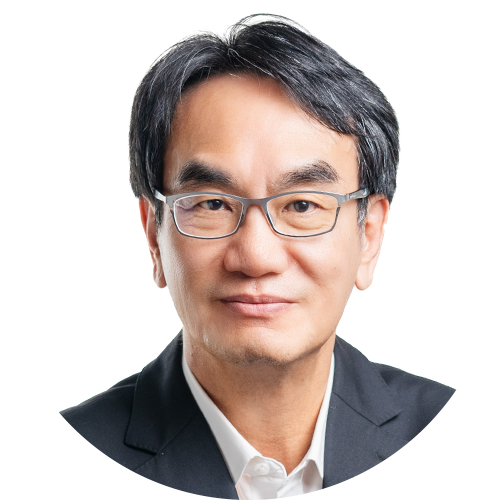 主講人 / Speaker林宜敬 / Minister Yi-Jing LIN中華民國數位發展部部長Ministry of Digital Affairs
 Ixchel M. FANIELOCLC資深研究科學家Senior Research Scientist, OCLC
 引言人 / Moderator待確認
 主講人 / SpeakerMike MACKINNONEBSCO Information Services 軟體即服務總監Director of Software as a Service – ANZ, Greater China, Japan,EBSCO Information Services